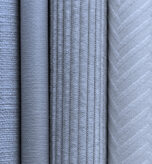


Essential chemicals used in the textile industry to enhance the performance and appearance of fabrics during various stages of production.

Wetting surfactants, also known as wetting agents, are used to reduce the surface tension of liquids, allowing them to spread more easily and wet surfaces more effectively. They are commonly used in coatings, paints, and textile processing.

We Firmly Believe in develop the Power of Material and Chemical

Anionic Surfactants, Cationic Surfactants, Nonionic Surfactants, Zwitterionic Surfactants, Silicone-based Agents, Polymeric Silicone-free Agents and more..

1. Pretreatment Chemicals

  • Desizing Agents: Break down sizing materials like starch.
  • Scouring Agents: Clean natural fibers like cotton of oils and waxes.
  • Bleaching Agents: Remove natural pigments and discolorations.

2. Dyeing Chemicals

  • Dyes and Dye Intermediates: Provide color to the fabric.
  • Leveling Agents: Ensure even dye distribution.
  • Fixing Agents: Help fix the dye onto the fabric.

2. Finishing Chemicals

  • Softeners: Make the fabric feel softer.
  • Waterproofing Agents: Provide water repellence.
  • Flame Retardants: Reduce flammability.
  • Enhance Efficiency: Improve the effectiveness of the main chemicals used in textile processing.
  • Improve Quality: Ensure consistent and high-quality results.
  • Provide Functional Properties: Add special features like anti-odor, water repellence, or flame retardancy.

Functions of Textile Chemical Auxiliaries


Information about Textile Chemical Auxiliaries

Textile chemical auxiliaries are specialty chemicals used in various stages of textile manufacturing to enhance the efficiency and quality of the final product. They play a crucial role in processes such as pretreatment, dyeing, printing, and finishing.

Power active chemical technique for home detergents and textile auxiliaries and more..